
Journal·June 19, 2026·winter · shoulder-season · sedona-tips · hiking · weather · planning
Sedona in Winter: Why the Shoulder Season Is Actually the Best Season
Everyone comes to Sedona in October or April — but the guests who visit in January and February tend to come back every year
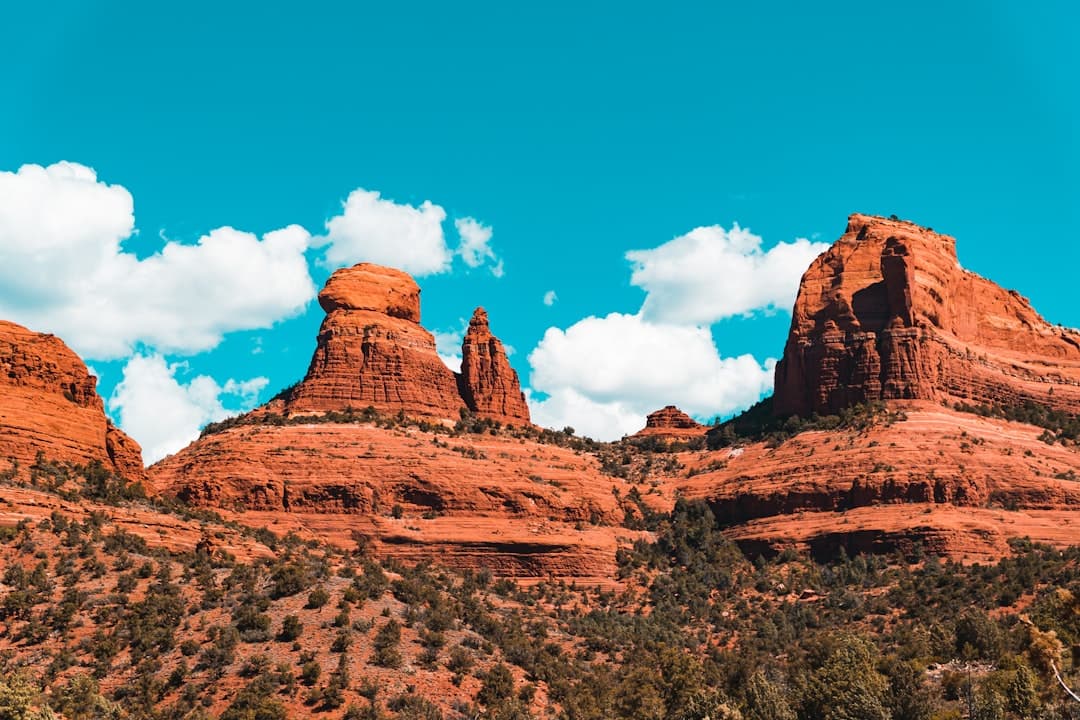
Photo by Anthony Melone on Unsplash
Everyone comes to Sedona in October or April — but the guests who visit in January and February tend to come back every year. There's something about the off-season here that the crowds never get to experience. The trails are quiet. The restaurants seat you without a wait. And on the right morning, there's a light dusting of snow on the red rocks that makes the whole place look like it belongs in a dream you can't quite describe.
I've lived in and around Sedona long enough to have strong opinions about when to visit. Winter is near the top of my list. Here's why.
The Crowds Thin Out Dramatically
In peak season — roughly March through May, and again in October — the Y intersection backs up for twenty minutes in the morning. The Boynton Canyon trailhead fills by 7:30am. You'll wait an hour at the more popular restaurants on a Friday night.
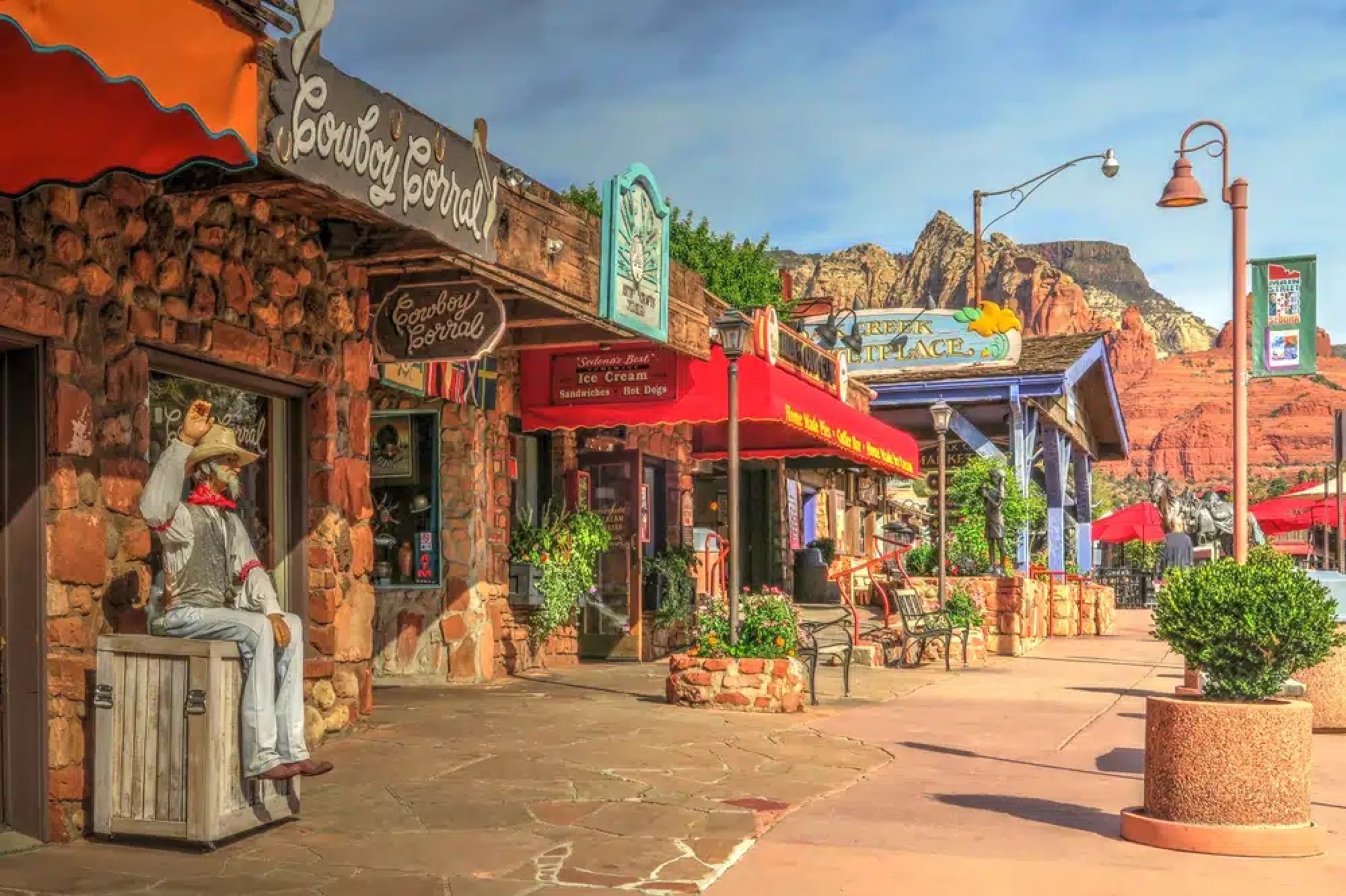
Uptown Sedona in the quieter months — the galleries are open, the street is walkable, and you won't be navigating tour group foot traffic.
In January and February, that pressure just... lifts. I've done the Soldier Pass trail on a Tuesday morning in late January without seeing another person for the first ninety minutes. That almost never happens in spring. If solitude is part of what you're after — and in Sedona, it really should be — winter is when you actually find it.
The Light Is Different (Better)
Sedona's red rocks look their best when the sun is low. In summer, by 8am the light is already harsh and high. In winter, that golden-hour quality stretches much further into the morning. You can be walking the Airport Mesa loop at 9am and still have that warm sideways light raking across the buttes.
On overcast days, especially after rain or light snow, the colors of the sandstone deepen to something closer to rust and burgundy. It's not the postcard version of Sedona. It's better.
Snow Happens — and It's Worth Hoping For
Sedona averages maybe six to ten snow days a year, clustered mostly between December and February. It rarely sticks for more than a day or two at elevation, and down in the valley it often melts by noon. But if you happen to be here on one of those mornings, it's genuinely one of the more remarkable things you'll see in Arizona.
The red rock dusted in white, the sky a sharp blue afterward — it reframes the whole landscape. I won't oversell it; it's not guaranteed and it doesn't last. But the odds are better in winter, and that possibility alone is worth something.
Temperatures Are More Comfortable Than You'd Expect
Sedona sits at about 4,500 feet. People assume winter means cold, and yes, nights drop into the 30s. But daytime highs in December and January regularly hit the low 50s to mid-60s. For hiking, that's actually ideal — you're not stopping every twenty minutes to drink water, and the trails aren't radiating heat back at you.
Bring layers. A fleece and a windbreaker handle most days. If you're coming from Chicago or Boston, you'll probably be in a t-shirt by afternoon and mildly confused about it.
What's Still Open (And What's Closed)
Most of what matters stays open year-round. Tlaquepaque is open. The Chapel of the Holy Cross is open.
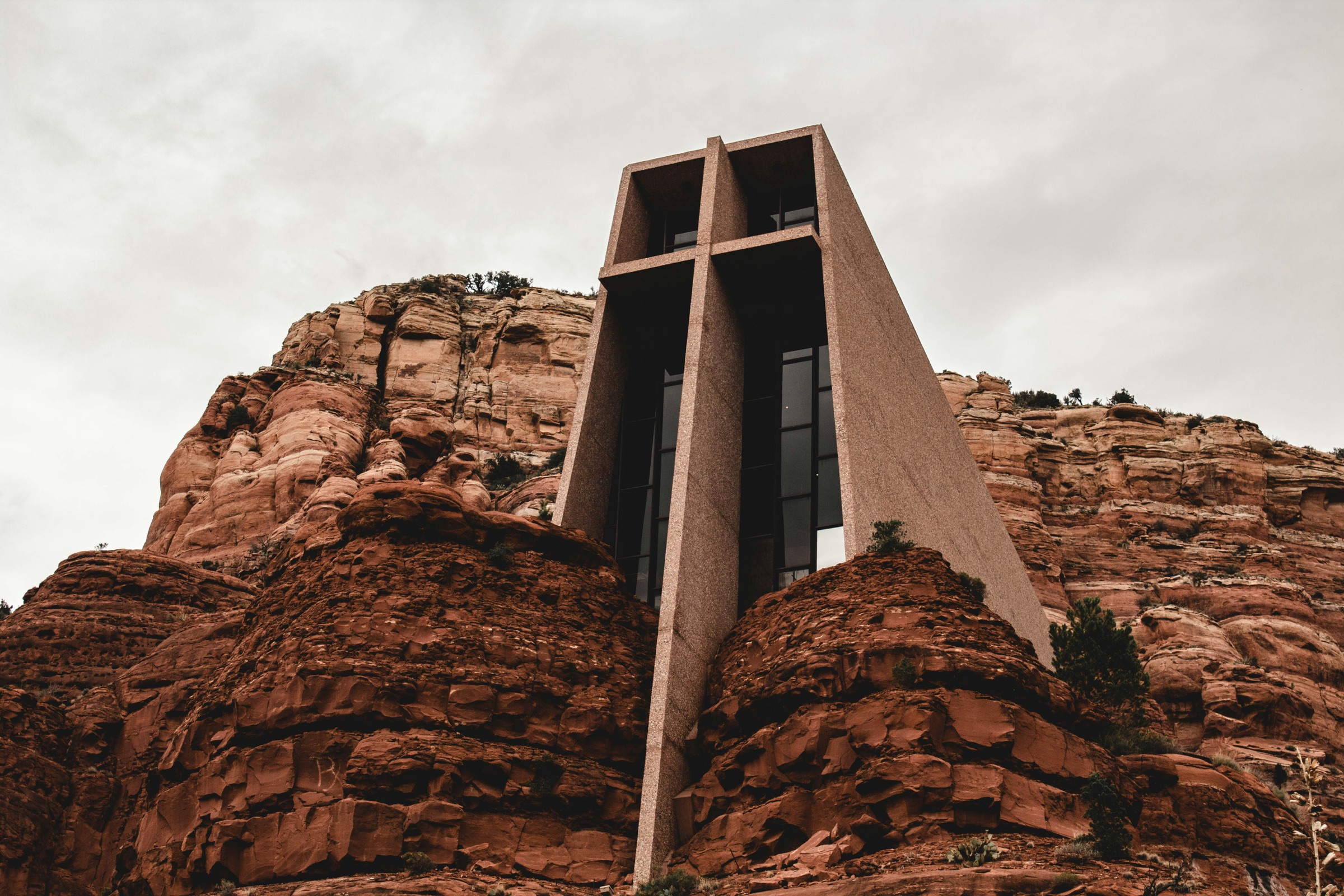
The Chapel in winter — fewer tour buses in the parking lot, better light on the rock face in the afternoon.
The Oak Creek Canyon scenic drive is open. Most of the major trailheads are accessible except after heavy snow, which is rare and temporary.
A handful of restaurants cut their hours or close on Mondays and Tuesdays in the off-season — worth checking ahead, especially if you have somewhere specific in mind. And Slide Rock State Park, while technically open, isn't exactly swimming weather. But for hiking, exploring, and eating well, you lose almost nothing by coming in winter.
The Practical Case for Booking Now
Rates are lower. Availability is better. You can often get the exact dates you want with less planning lead time than spring requires. I see guests book peak season six months out. Winter guests sometimes book three weeks ahead and get their first choice.
If you can work around the school calendar and you've been waiting for a good time to try Sedona — or to come back and actually experience it without the crowds — the window from mid-November through February is genuinely underused.
If you make it out here in winter, go to Soldier Pass on a weekday morning. Start before 8am. Bring something warm for your hands. The trail to the sinkholes takes about an hour and a half round trip, and this time of year you might have the whole thing to yourself.
Notes from Sedona
Want these in your inbox?
Once a month I send the new posts straight to subscribers. Skip checking the site.