
Journal·June 23, 2026·winter · shoulder-season · hiking · local-tips · stargazing · crowds
Sedona in Winter: Why the Shoulder Season Is the Best Season
Most people skip Sedona in January — which is exactly why those of us who know better love it so much
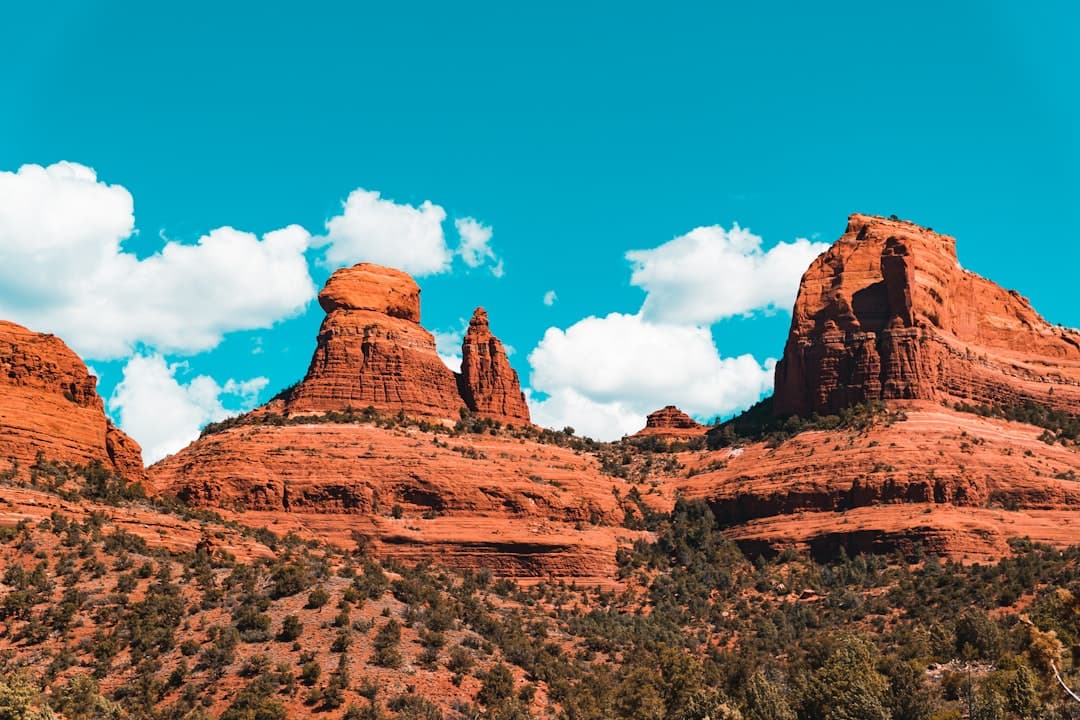
Photo by Anthony Melone on Unsplash
Most people skip Sedona in January. They picture freezing temperatures, closed trailheads, a town that's gone to sleep. What they miss is one of the quietest, most genuinely beautiful stretches of the year — empty trails, affordable rates, and on lucky mornings, snow on the red rocks that turns the whole landscape into something you'd swear was painted.
I've been hosting guests here year-round for a while now. Winter is the season I'd pick for myself.
The Crowds Actually Leave
From roughly mid-November through early February, Sedona exhales. The Y intersection — normally a gridlocked mess by 9am on a Saturday in May — is actually manageable. Parking at Cathedral Rock? You can usually find a spot. Uptown moves at a human pace.
This matters more than people realize. A lot of what makes Sedona special happens when you're standing still, listening to nothing, looking at red rock that's three hundred million years old. That's hard to access when you're circling a parking lot or elbowing past tour groups.
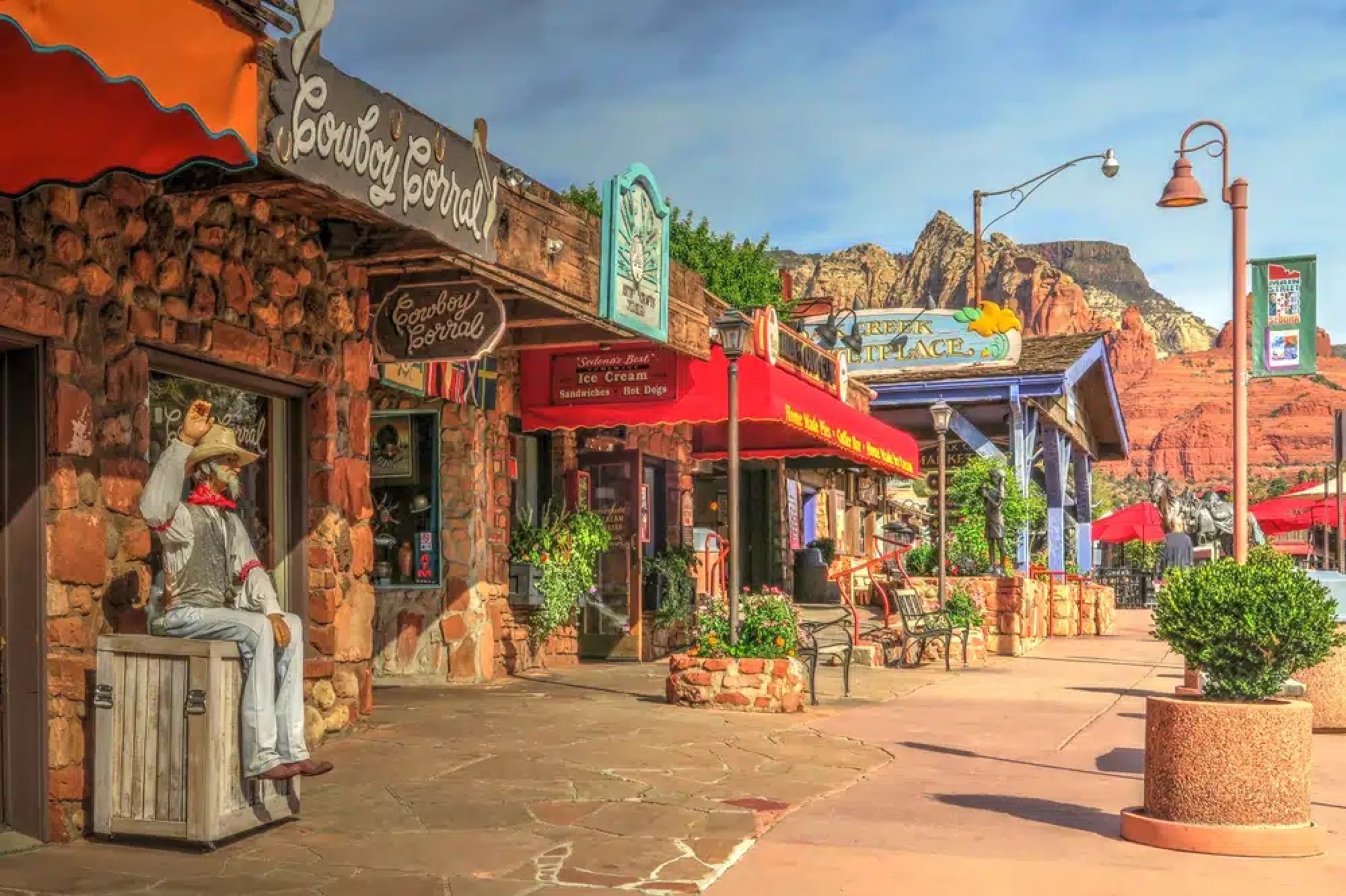
Uptown in winter looks like this on a Tuesday morning. In peak season, this street is wall-to-wall by 10am.
The Weather Is Better Than You Think
Let me be straight with you: it gets cold here. Nights in December and January regularly drop into the twenties. You'll want real layers, not just a light jacket.
But the days are often remarkable. Clear blue skies, temperatures climbing into the mid-fifties or low sixties by early afternoon. That's hiking weather. That's sit-on-your-porch-with-coffee weather. The air has a sharpness to it that summer just doesn't have — everything feels a little more in focus.
And if it snows — even an inch or two — the red rocks go quiet and white and honestly I don't have the right words for it. Snow here isn't inconvenient the way it is in a city. It usually melts off the lower trails by midday. What it leaves behind for a few hours in the morning is worth setting an alarm for.
The Trails You've Always Wanted to Do Are Actually Doable
Airport Mesa loop at sunrise in October? You'll share it with forty other people. In January, maybe four. Devil's Bridge on a Wednesday morning in winter is a completely different experience than the peak-season version, which involves a line of people waiting to take the same photo.
If you ask me, the best winter hike in Sedona is the Huckaby Trail out of Midgley Bridge. It follows Oak Creek through the canyon, gets some afternoon sun, and the crowds are thin even in good weather. About 5.5 miles round trip, moderate terrain. Bring traction devices if there's been recent snow — the creek crossings can be slippery.
The Chapel of the Holy Cross is another one that rewards an off-season visit. Lines to park, lines to walk up — that's the spring and fall version. In winter, you can actually stand there quietly.
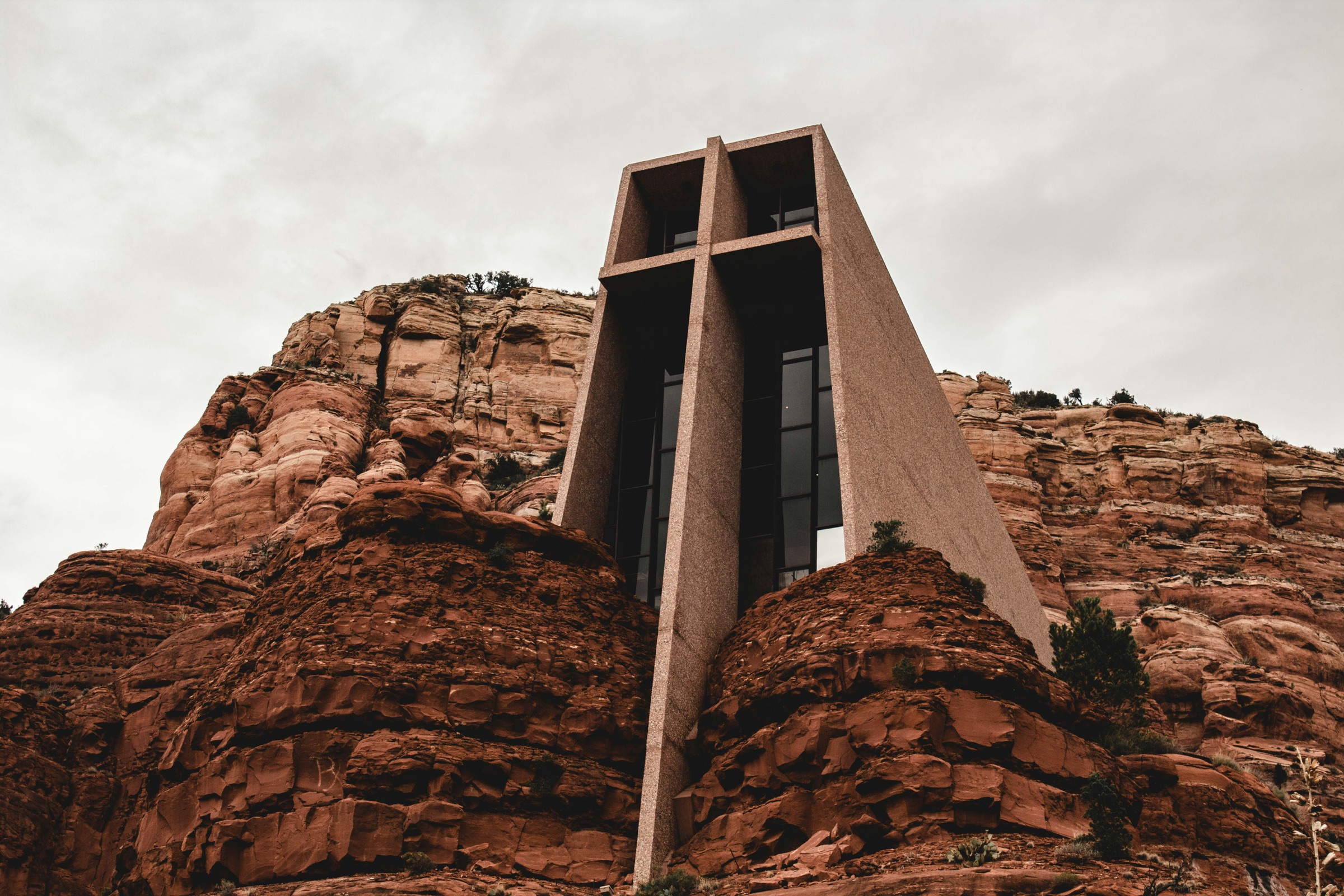
The Chapel sits about a mile from the Casita near Chapel Hill. In winter, the parking lot here is rarely full before 10am.
What You Give Up (Being Honest About This)
A handful of restaurants and shops run reduced hours or close entirely in January. Tlaquepaque is worth checking before you go — some galleries rotate their schedules. A few tour operators thin out their offerings.
Sedona's outdoor recreation scene stays intact. Most trails are accessible. The parks don't close. But if you're coming primarily for a specific restaurant or experience, confirm it's open.
Also: if you're hoping to swim in Oak Creek, wait for June. It's beautiful in winter but it's cold enough to take your breath away.
One Practical Note on Stargazing
Winter nights here are long and, when it's clear, extraordinary. Sedona sits at 4,500 feet, the air is dry, and there's relatively little light pollution once you get a mile out of town. December and January evenings after 7pm can be genuinely dark. If you've never seen the Milky Way from somewhere it's actually visible, a clear winter night here will do it.
The casita near Chapel Hill has a small outdoor bench I set up specifically for this. Dress warmly — I mean it, it's cold — and give your eyes about twenty minutes to adjust.
If you make it out here between November and February, get up early one morning and drive to the top of Airport Mesa before sunrise. You don't need to hike far. Just stand there, watch the light hit the formations, and notice how few cars are in the lot. That's the Sedona most people don't get to see.
Notes from Sedona
Want these in your inbox?
Once a month I send the new posts straight to subscribers. Skip checking the site.