
Journal·July 14, 2026·vortex · hiking · sedona-guide · things-to-do · nature
Sedona's Vortex Sites: What They Actually Are (And What to Expect When You Go)
Sedona's vortexes get a lot of hype — here's an honest look at what they are, where to find them, and how to visit without the circus
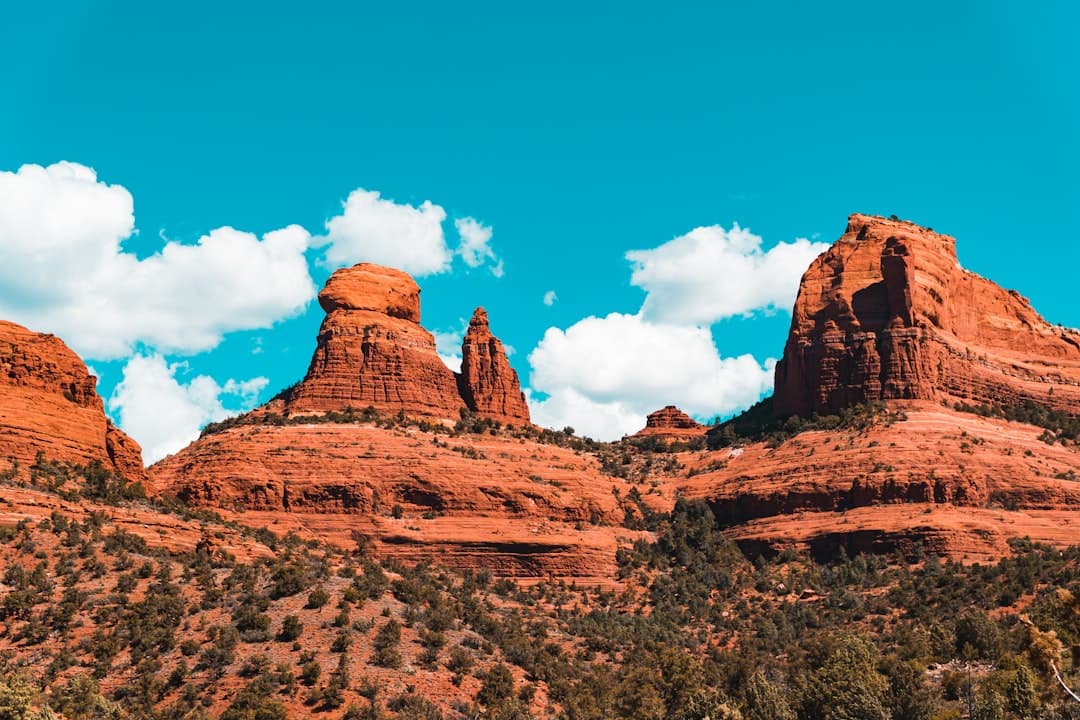
Photo by Anthony Melone on Unsplash
Most people arrive in Sedona having already decided how they feel about vortexes. Either they're fully committed — crystals packed, journal ready — or they're skeptical and slightly embarrassed to even be asking. I've hosted guests on both ends of that spectrum, and here's what I tell them: go anyway. Whatever you believe about the energy, the sites themselves are worth the walk.
What a Vortex Actually Is (According to Sedona)
The short version: a vortex is said to be a place where the earth's energy concentrates — either flowing upward (electric, energizing) or inward (magnetic, calming), depending on who you ask. Sedona locals have been talking about four main sites since the 1980s, when a psychic named Page Bryant first mapped them out.
The longer version: there's no scientific consensus that vortexes are real in any measurable sense. What there is consensus on is that these four sites are genuinely beautiful, relatively accessible, and tend to leave people feeling something — whether that's the result of electromagnetic fields, elevation gain, or just the relief of being outside without phone service is up to you.
I'm not here to sell you on the metaphysics. I'm here to help you find the trailhead.
The Four Main Sites
Airport Mesa is probably the easiest. There's a small pull-off on Airport Road — if you see juniper trees with twisted trunks spiraling upward, you're close. People point to those twisted junipers as physical evidence of vortex energy affecting plant growth. Maybe. They do look unusual. The views from up here at sunset are legitimately good, and it's only a short scramble from the road.
Cathedral Rock is the one on all the postcards. You'll park at the Red Rock Crossing area off Back O' Beyond Road (or at the upper trailhead on Verde Valley School Road — that one's a harder climb but shorter). The rock formation itself is striking up close in a way photos don't quite capture. Said to be a magnetic, calming vortex. The creek crossing at the base is beautiful in spring.
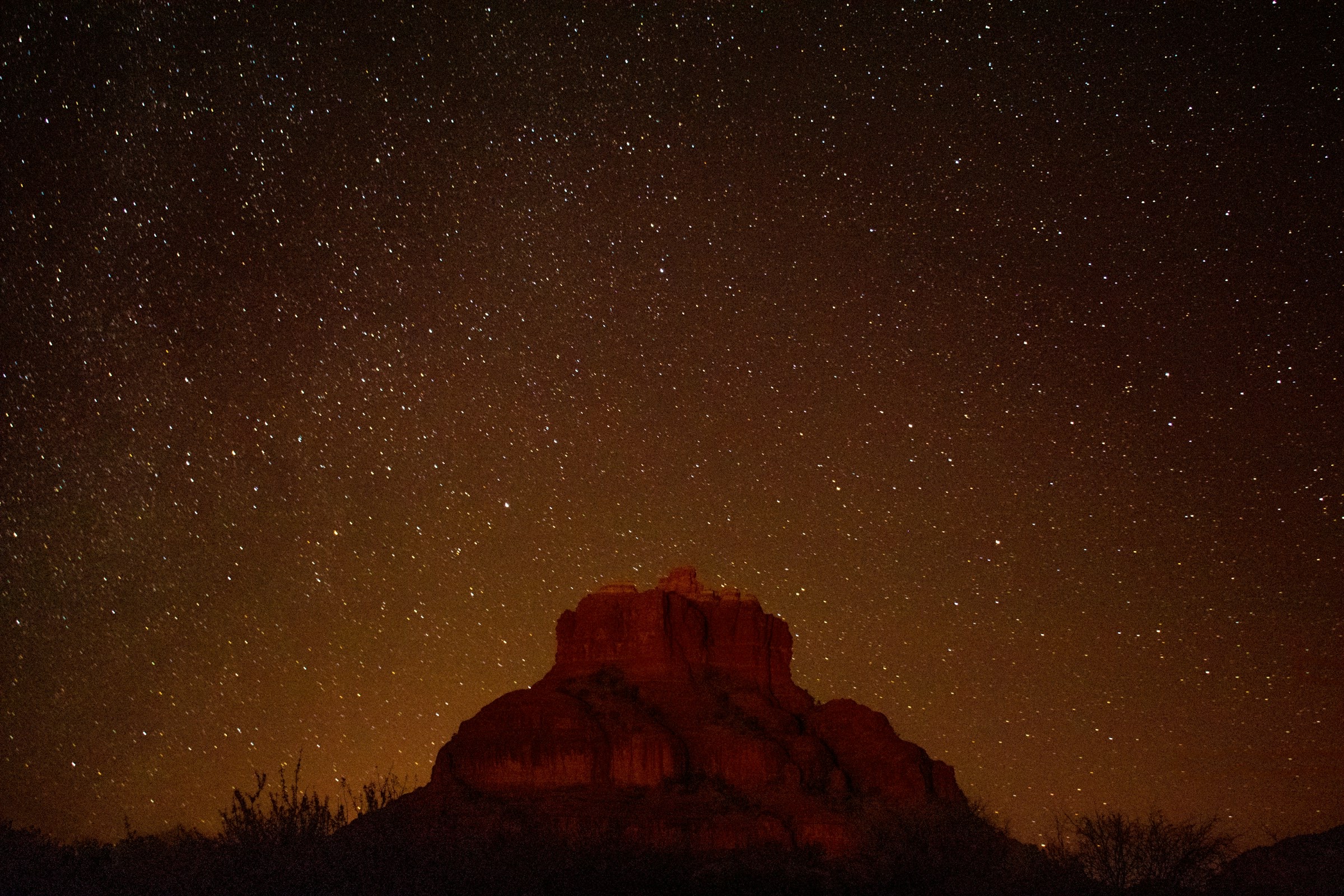
Bell Rock at night — during the day it's one of the busiest vortex sites, but arrive early or late and you'll have the trails nearly to yourself.
Bell Rock sits just north of the Village of Oak Creek on Highway 179. You can't miss it — it literally looks like a bell. There's a large parking area. This one draws crowds, especially midday. If you want to actually sit quietly and absorb whatever there is to absorb, go before 8am or after 4pm. The trail loops around the base and you can scramble partway up the formation itself.
Boynton Canyon is my personal favorite, and it requires the most effort to reach — about a 6-mile round trip. The trail runs through a canyon with walls that seem to close in around you. There's a small side spur toward the end called Boynton Vista that most people skip. Don't skip it. That's where most of the vortex activity is said to be concentrated, and it's also just a genuinely good viewpoint.
What the Experience Is Like
Honestly? It varies by person and by site. I've had guests come back from Cathedral Rock describing a physical sensation — tingling hands, an odd sense of time slowing down. I've had other guests say they felt nothing except slightly winded from the hike.
What almost everyone notices: these spots are quieter than the rest of Sedona. More deliberate. People tend to sit longer, talk less. Whether that's the vortex or just the self-selecting crowd that seeks them out, I couldn't tell you.
Bring water. Wear shoes with grip. The red rock is beautiful but it's also slippery in spots and uneven everywhere.
Avoiding the Circus
Vortex tourism is a real industry here — jeep tours, guided meditations, crystal sellers near the trailheads. None of that is bad exactly, but it's not necessary either. You can drive to every site yourself, park (Red Rock Pass required at most trailheads — $5/day or $20/annual, get it at any local grocery store), and walk in on your own.
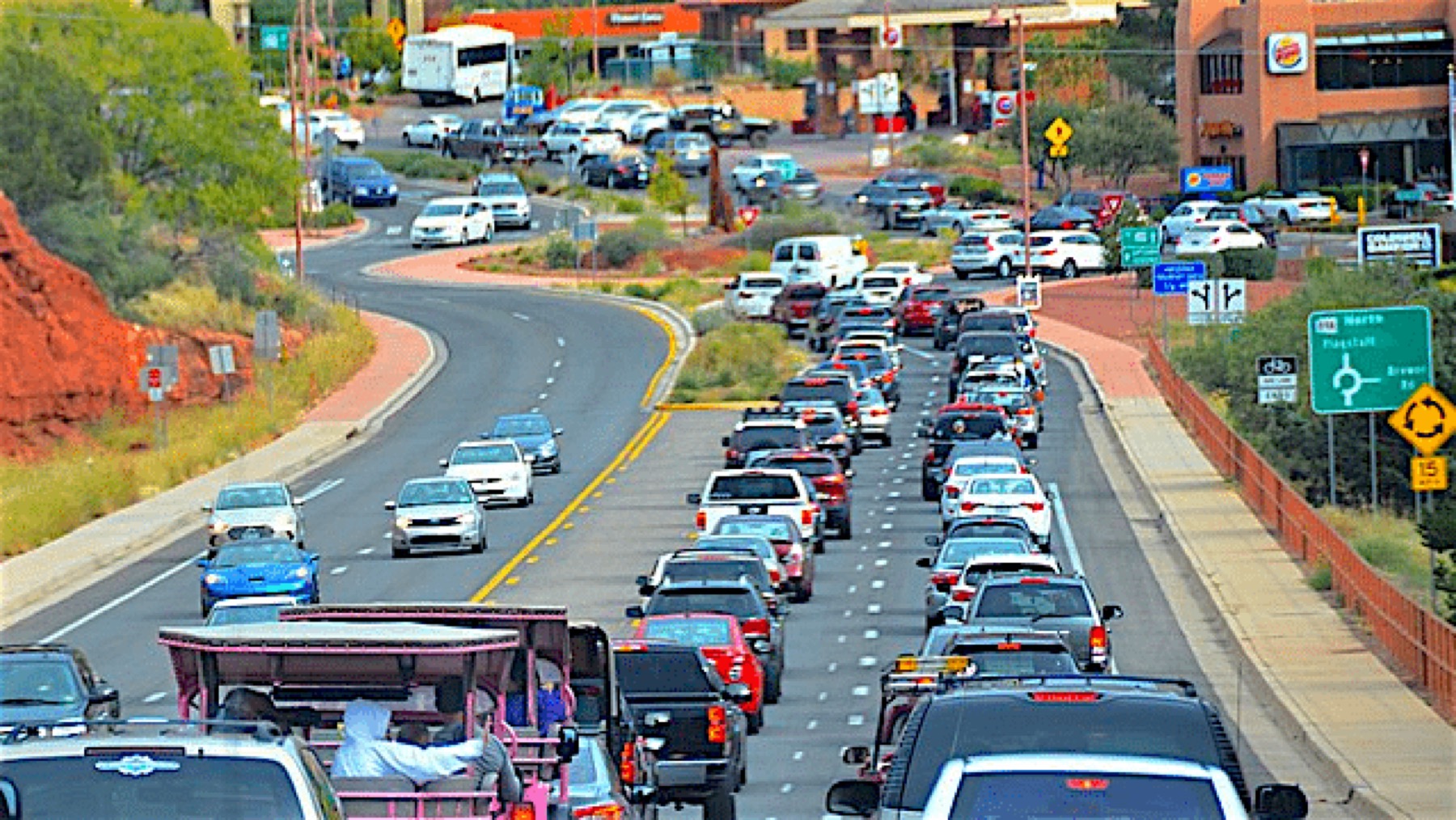
Weekend afternoons, traffic at the Y backs up significantly — if you're planning a vortex visit, earlier is better for both parking and the experience itself.
Weekend afternoons in spring and fall are the busiest. Weekday mornings are the quietest. If you're staying with me near Chapel Hill, Bell Rock is about a 10-minute drive south — easy to catch at first light before the tour jeeps show up.
If you make it out to Boynton Canyon, take the Vista spur at the end of the trail and just sit there for a few minutes before heading back. That's the part most people rush past, and it's the part I'd go back to.
Notes from Sedona
Want these in your inbox?
Once a month I send the new posts straight to subscribers. Skip checking the site.