
Journal·July 3, 2026·packing · travel-tips · seasons · hiking · sedona-guide
What to Actually Pack for Sedona, Season by Season
Sedona's weather is trickier than it looks — here's what I'd tell a friend to throw in their bag before they fly in
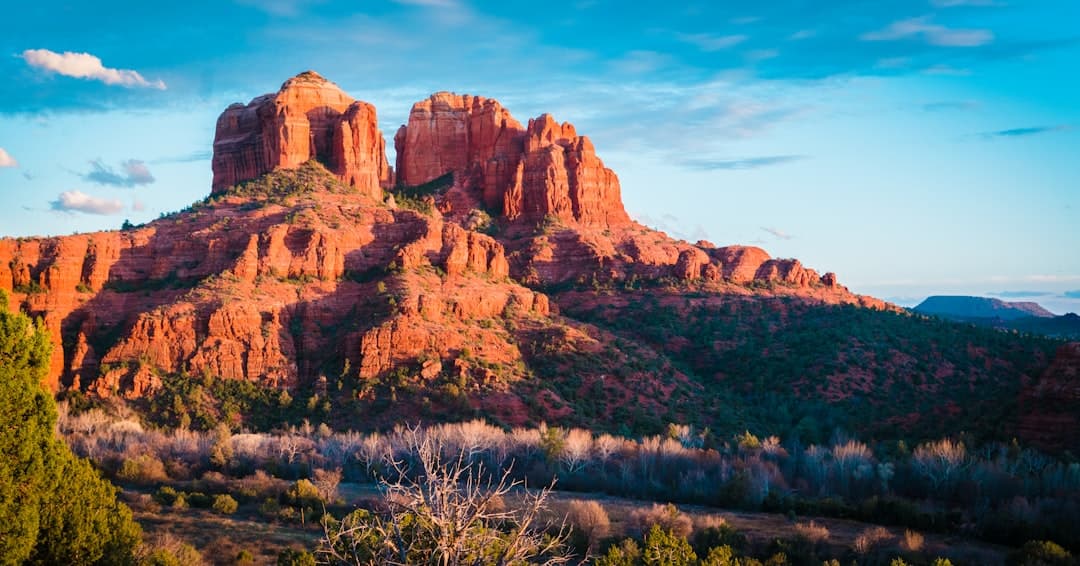
Photo by Kaileen Fitzpatrick on Unsplash
Sedona sits at 4,500 feet, which surprises a lot of first-timers who packed for Phoenix. The elevation changes everything — cooler nights, real winter snow, afternoon monsoon storms in summer that come out of nowhere. I've watched guests show up in flip-flops for a January hike and guests sweating through a fleece in May. A little prep goes a long way.
Spring (March–May)
Spring is probably the most variable time of year here. A Tuesday morning in April can be 38°F at sunrise and 72°F by noon. Layer aggressively.
The must-haves: a packable down jacket or midweight fleece, one pair of actual hiking pants (not leggings — the trail scrub will thank you), and broken-in trail shoes or hiking boots. Don't break in new boots on Cathedral Rock. I've seen it go badly.
You'll also want sunscreen. The UV at elevation is genuinely different than the beach. People forget this every single spring.
A light rain shell is worth the bag space in March and early April. Not a full rain suit — just something to throw over layers if a front moves through.
Summer (June–September)
June is dry and hot — highs pushing 100°F on the exposed red rock. Then mid-July the monsoons arrive and everything shifts. Daily thunderstorms, cooler temps, occasionally flooded creek crossings on lower trails.
Pack light, breathable shirts — linen or moisture-wicking synthetics. Shorts are fine for town and easier hikes, but long pants protect your legs on anything scrubby. A sun hat with a real brim matters more here than almost anywhere I can think of. Baseball caps don't cut it on a four-hour hike.
For monsoon season specifically: sandals with ankle support (Tevas, Chacos) for creek walks, a small dry bag or waterproof pouch for your phone, and a rain layer you can stuff in a daypack. Afternoon storms usually clear within an hour, but they come fast.
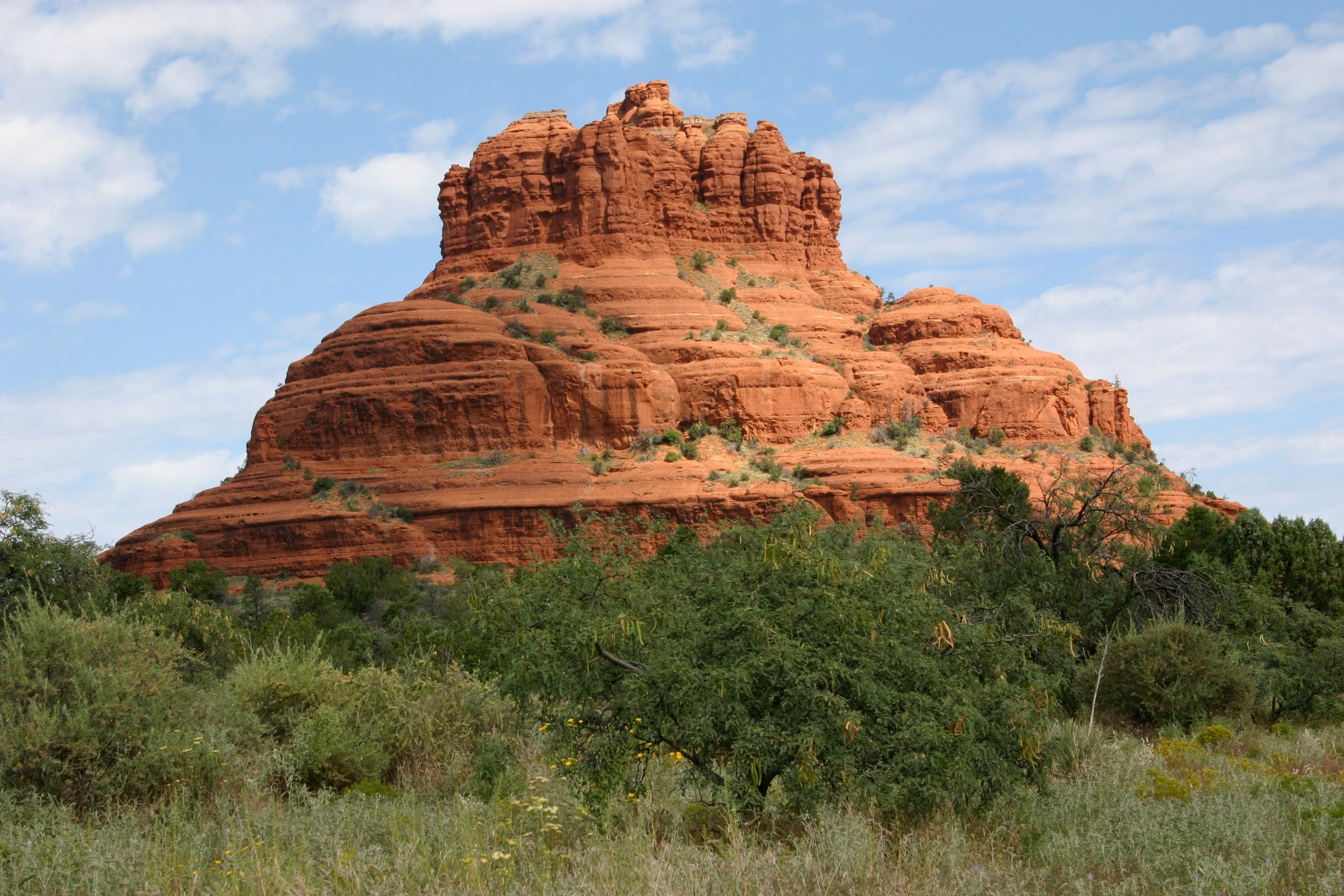
Bell Rock on a clear summer morning — by noon, exposed formations like this one are fully in the sun with no shade.
Fall (October–November)
This is when Sedona is at its best, honestly. Comfortable temps, clear skies, the cottonwoods along Oak Creek going gold. It's also when the most visitors show up, but that's a separate conversation.
Fall packing is the easiest. Layers still matter — mornings in late October can dip into the 40s — but you're not fighting extreme heat or afternoon rain. Hiking boots, a fleece, one nicer layer if you're going out to dinner somewhere like Mariposa or Elote. That's mostly it.
One thing people underpack for in fall: warm gear for stargazing. Sedona has genuinely dark skies once you get a mile or two from the Uptown lights, and if you're going to sit out and actually watch the Milky Way rise — which you should, at least once — you will want a real jacket and maybe a blanket.
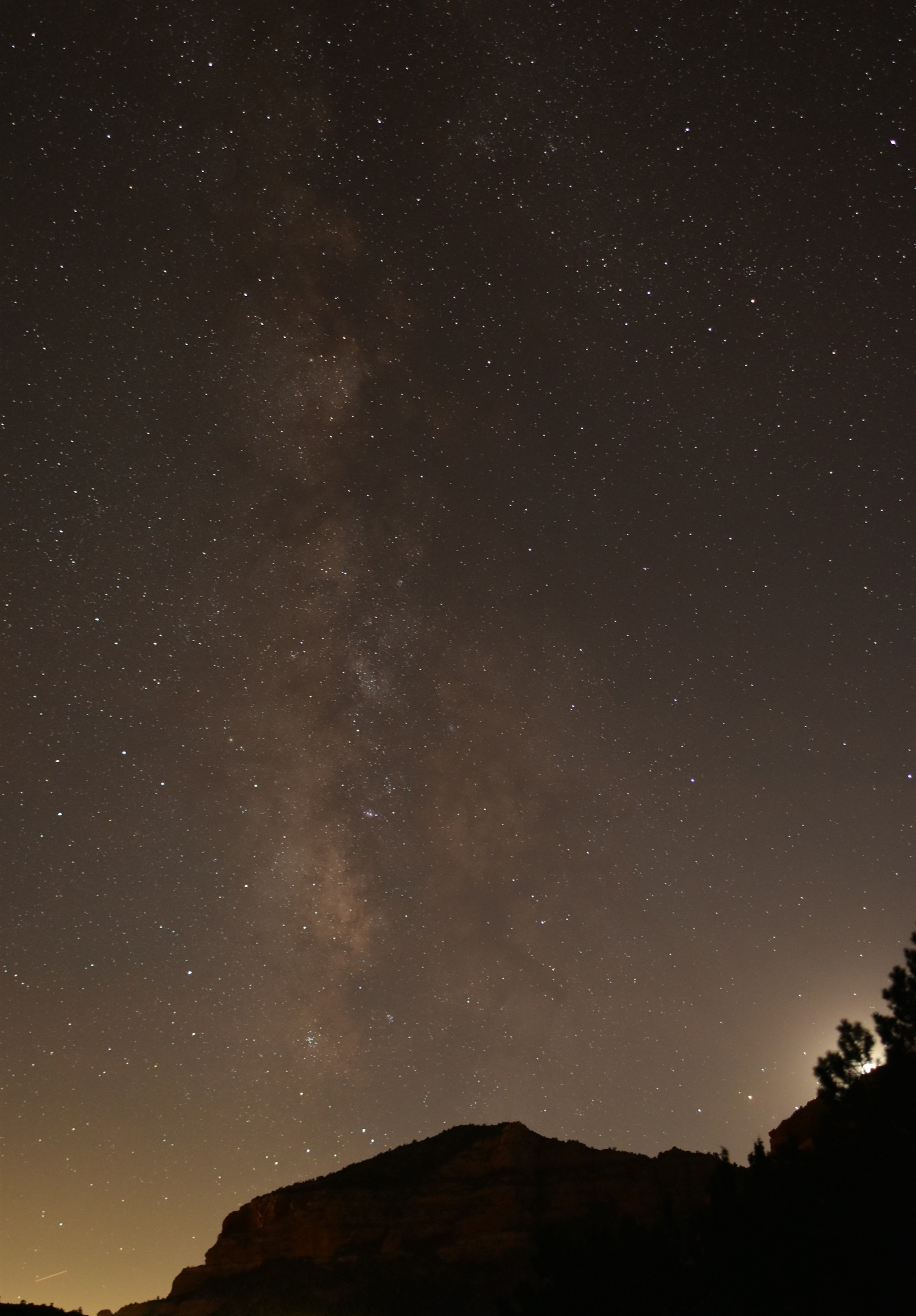
October and November nights are clear and cold enough that the Milky Way is visible with the naked eye from most trailheads — bring more warmth than you think you need.
Winter (December–February)
Winter catches people off guard more than any other season. We get real snow — usually a few good storms between December and February. The red rocks under a light snow are genuinely one of the more remarkable things you'll see here. But you need to be ready for it.
A proper warm jacket, gloves, and a hat are non-negotiable. If you're hiking in winter, waterproof boots matter — not just water-resistant, actually waterproof. Microspikes are worth throwing in if there's been recent snow; the slickrock gets genuinely treacherous with ice on it.
Indoors, the casita and both Uptown retreats stay warm, but mornings when you step outside to watch the sunrise over the rocks you'll feel the cold immediately. Have something you can grab by the door.
The One Thing I Tell Everyone, Year-Round
Bring more water capacity than you think you need. A 1-liter bottle is fine for walking around Uptown. It is not fine for hiking Airport Mesa or Soldier Pass. I keep a 2-liter hydration bladder in the retreats for guests to borrow, but you'll want your own if you're going anywhere serious.
If you end up staying at one of the retreats and you forgot something, let me know before you drive 45 minutes to the nearest Target in Cottonwood. I have sunscreen, trekking poles, and a few pairs of extra wool socks that seem to accumulate here. Happy to help you figure it out before your first morning hike.
Notes from Sedona
Want these in your inbox?
Once a month I send the new posts straight to subscribers. Skip checking the site.