
Journal·September 1, 2026·travel-tips · sedona · planning · seasons · packing
What to Pack for Sedona, Season by Season
Sedona's weather will fool you at least once — here's how to pack so it doesn't ruin your trip

Photo by Kaileen Fitzpatrick on Unsplash
People underestimate Sedona's range. It sits at 4,500 feet, which means it's hotter than the Grand Canyon rim in summer, colder than Phoenix in winter, and capable of throwing a thunderstorm at you in July while you're mid-hike in shorts. I've watched guests come in August with a single light jacket and shiver through their evening patio time. A little forethought goes a long way.
Spring (March – May)
Spring is the most forgiving season to pack for, and also the most unpredictable. Daytime temps run 60–75°F by April, but mornings can dip into the low 40s well into March. Wildflowers start showing up in March along the lower trails, and the light is genuinely good for photography.
Bring layers you can peel off by 10am. A fleece or light down jacket is more useful than a heavy coat. Rain is real in March and April — pack a packable shell or a light waterproof layer. Trail runners or low hiking boots are ideal; you won't need gaiters unless you're doing Cathedral Rock or Soldier Pass, where sandy scree accumulates.
One thing people skip: sunscreen. At elevation, with that reflective red rock everywhere, you'll burn faster than you expect even in 60-degree weather.
Summer (June – August)
June is brutal before the monsoons — dry heat, 95°F+, trails baking by 9am. Then mid-July to mid-August flips into daily afternoon storms that can come in fast and hard. Both phases require different thinking.
For June: moisture-wicking everything. Light-colored shirts, a wide-brim hat (not a baseball cap — you need neck coverage), and a small hydration pack if you're hiking. A 2-liter bladder is my minimum recommendation for anything over two miles in June.
For monsoon season: bring that packable rain jacket. Afternoon storms usually arrive between 2–5pm, so early starts are key. A dry bag or at least a gallon zip-lock for your phone is smart. The upside — post-storm air quality and skies are remarkable.
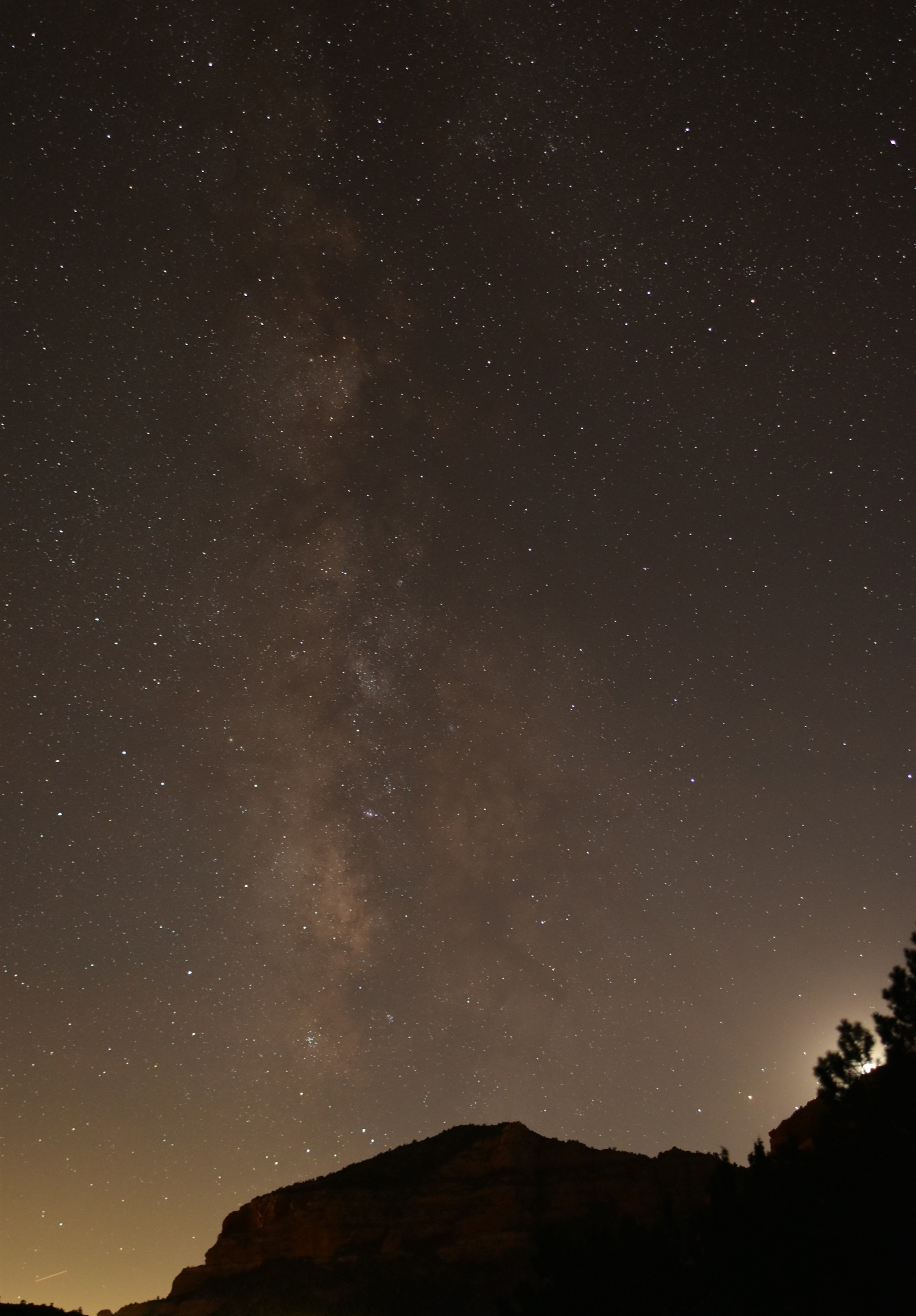
Clear summer nights after monsoon storms can be extraordinary for stargazing — the air scrubbed clean and the Milky Way visible from most of the properties.
Sandals work fine for town, but I'd keep a pair of closed-toe shoes accessible for trail days. Red rock is unforgiving on toes if you slip.
Fall (September – November)
Fall might be the best time to visit. Crowds thin after Labor Day, temps drop to something genuinely comfortable (60s and 70s through October), and the cottonwoods along Oak Creek turn yellow by late October. Pack for it almost like spring — layers, a mid-weight jacket for evenings, and solid trail shoes.
November is the pivot point. Early November can feel like October. Late November can surprise you with frost. Check the 10-day forecast before you finalize your bag.
One addition I'd add for fall: a slightly warmer layer for stargazing. The nights get cold faster than the calendar suggests, and if you're planning to sit outside with a glass of wine watching the stars — and you should — a down vest or fleece makes that possible past 8pm.
Winter (December – February)
Winter in Sedona is misunderstood. Most days are crisp and clear, 45–60°F by afternoon, and trails are often empty. It's legitimately one of my favorite times to be out on the rocks. But it can snow, and when it does, it changes everything fast.
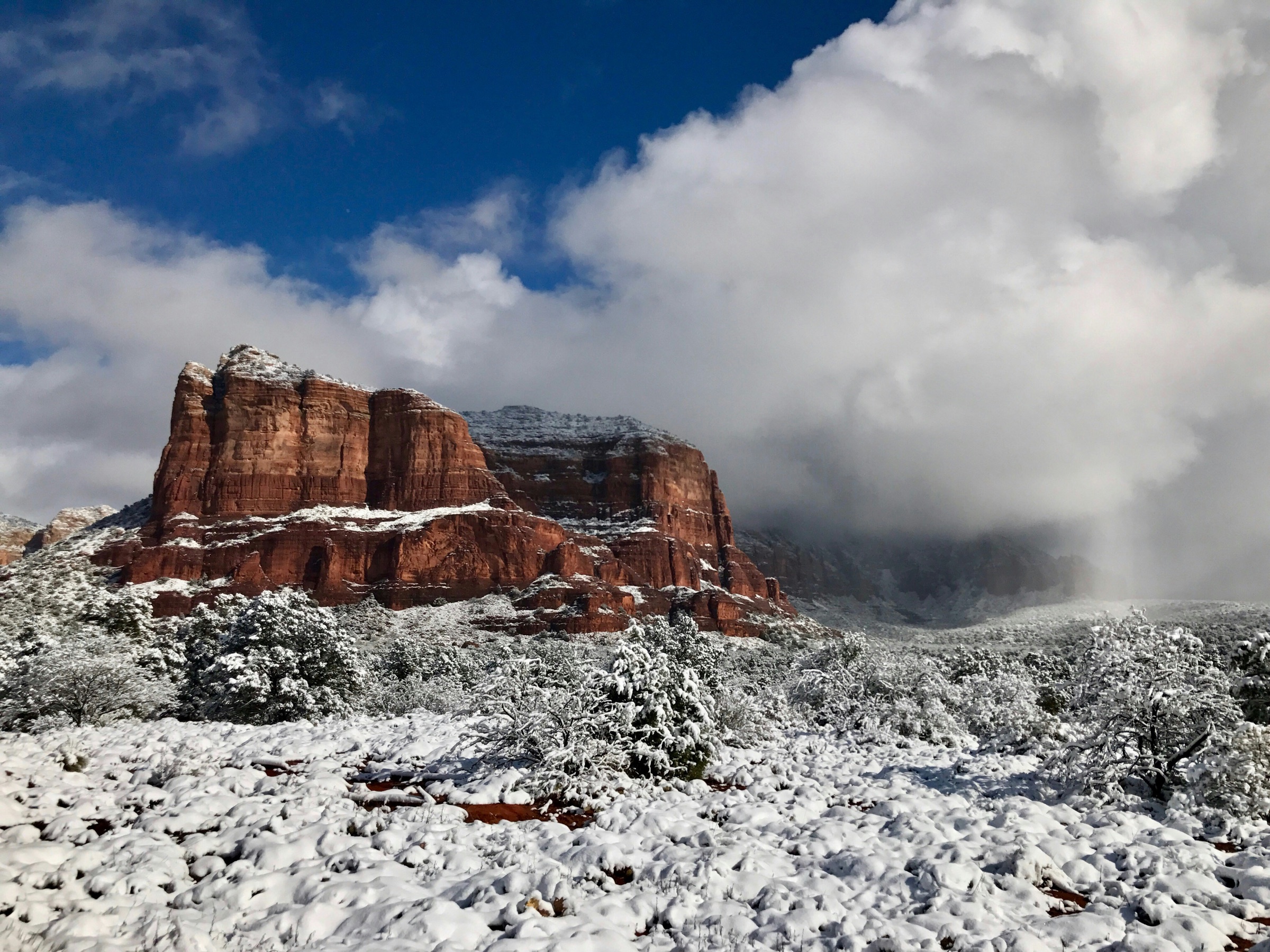
A light snow dusting happens a handful of times each winter — usually melts by noon, but it transforms the landscape completely while it lasts.
Pack a real coat — not just a fleece. A mid-weight insulated jacket (think: what you'd wear for a cold city day) covers most situations. Add a hat, gloves, and a scarf for morning hikes. Waterproof hiking boots are worth it if you're visiting January or February. Trails can be icy in shaded sections before 10am.
Layers still matter. Afternoons warm up enough that you may be down to a long-sleeve shirt by 2pm, even in January.
The Things That Apply Every Season
A few items belong in the bag no matter when you come:
- Sunscreen, SPF 50+. Every month. No exceptions.
- Sunglasses. Polarized helps with the trail glare.
- A reusable water bottle. At least 32oz. Tap water here is fine.
- Comfortable walking shoes for town. Uptown is walkable but uneven.
- One nicer layer for dinner. Depending on where you're eating, you'll want something beyond hiking clothes.
If you're staying near the Chapel of the Holy Cross — which is where my wellness casita sits — the elevation and wind exposure are slightly more intense than Uptown, so err toward the warmer end of any season's packing list.
If you make it out here in winter and we get a snow morning, head to Airport Mesa before 9am. The red rock with a dusting of white and nobody else around is worth setting an alarm for.
Notes from Sedona
Want these in your inbox?
Once a month I send the new posts straight to subscribers. Skip checking the site.